
Elevating the Game: The Essential Guide to Sports Broadcasting
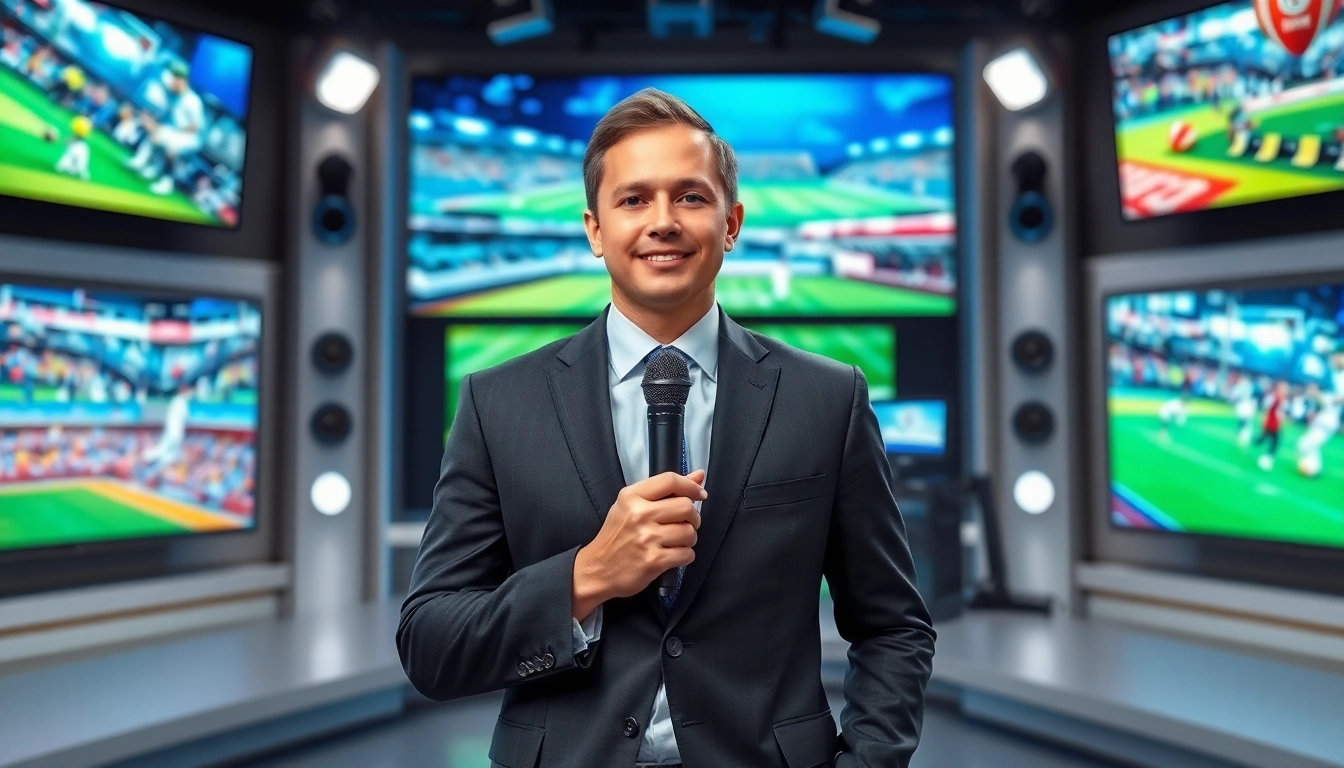
Understanding Sports Broadcasting
What is Sports Broadcasting?
Sports Broadcasting refers to the distribution of sports-related content via various media platforms including television, radio, and digital streaming services. It encompasses live coverage of sporting events, commentary, expert analysis, and behind-the-scenes insights. The primary goal of Sports Broadcasting is to entertain and inform fans, making them feel connected to their favorite teams and athletes. Engaging with this dynamic field can enrich viewers’ experiences and enhance their emotional investment in the sports they love. For more insights on Sports Broadcasting, visit Sports Broadcasting.
Key Components of Sports Broadcasting
The landscape of Sports Broadcasting is multifaceted, comprising several key components that contribute to effective delivery. Predominantly, these components include:
- Live Coverage: Real-time broadcasting of events ensures that fans don’t miss out on critical moments.
- Commentary and Analysis: Expert insights that provide context and depth to the events being covered.
- Visual and Audio Elements: Graphics, replays, and sound effects that enhance the viewing experience.
- Interviews and Segments: Exclusive content featuring players and coaches that offers personal insights into the sports world.
- Interactive Features: Audience engagement through polls, social media interactions, and betting integrations.
The Evolution of Sports Broadcasting
Sports Broadcasting has undergone extensive evolution since its inception. The journey began with radio broadcasts in the early 20th century, paving the way for televised events in the 1930s. The advent of cable TV revolutionized sports consumption, allowing for specialized sports channels and the introduction of 24/7 coverage. Recently, the rise of digital and streaming platforms has opened new avenues for broadcasting, enabling on-demand viewing and personalized content delivery. This evolution reflects changing consumer preferences and technological advancements.
The Role of Technology in Sports Broadcasting
Equipment Used in Sports Broadcasting
The backbone of high-quality Sports Broadcasting is the equipment used. High-definition cameras capture the action from multiple angles, while cutting-edge microphones ensure that commentary and ambient sounds are crystal clear. This also includes:
- Switchers: Essential for coordinating multiple video feeds and allowing seamless transitions during a broadcast.
- Graphics Systems: Vital for overlaying statistics and information that enhances viewer engagement.
- Transmission Equipment: Ensuring that signals are sent and received effectively across multiple platforms.
Innovations Shaping the Future of Sports Broadcasting
Technological advancements continue to shape the future of Sports Broadcasting. Innovations such as 4K resolution, augmented reality (AR), and virtual reality (VR) are enhancing viewer experiences by offering immersive environments. For instance, AR can provide augmented statistical overlays during live games, while VR allows fans to experience games as if they were in the stadium, regardless of their physical location.
The Impact of Streaming Services
The rise of streaming services has profoundly impacted Sports Broadcasting. Traditional networks are facing increasing competition as viewers shift toward platforms that offer flexibility in viewing schedules. Live streaming enables fans to watch events wherever they are, often with fewer restrictions on content access. This shift has led sports leagues and networks to adapt their broadcasting strategies, leveraging social media for promotion and engaging with viewers on digital platforms.
Career Opportunities in Sports Broadcasting
Becoming a Sports Broadcaster
A career in Sports Broadcasting can be exhilarating and rewarding. Aspiring broadcasters typically start by pursuing degrees in journalism, communications, or media studies, gaining essential knowledge about media ethics, production techniques, and coding narratives. Completing internships at local sports stations offers practical experience and networking opportunities essential for breaking into the industry.
Essential Skills for Aspiring Broadcasters
Success in Sports Broadcasting requires a blend of skills, including:
- Communication: The ability to articulate thoughts clearly and engagingly.
- Research: Comprehensive understanding of sports, players, and statistics to enhance commentary.
- Technical Proficiency: Familiarity with broadcasting equipment and software.
- Adaptability: Performing under pressure and adjusting to unexpected situations during live broadcasts.
Networking and Building a Portfolio
Networking is crucial in Sports Broadcasting. Building relationships with industry professionals through internships, workshops, and conferences can open doors to job opportunities. Furthermore, creating a diverse portfolio showcasing your work can demonstrate your capabilities to potential employers. This can include sample broadcasts, interviews, and segments that highlight your unique style and versatility.
Understanding the Audience for Sports Broadcasting
Demographics of Sports Viewers
Understanding the audience demographics is vital for effective Sports Broadcasting. Generally, sports viewers vary in age, gender, and location. Traditionally, sports have attracted a predominantly male audience; however, recent trends indicate a growing interest among women and younger demographics. Analyzing these trends helps broadcasters tailor content to engage various viewer segments more effectively.
Engaging Sports Fans Through Content
Creating compelling content that resonates with sports fans is essential for retaining viewership. This includes delivering content that captures the excitement of the game, educating viewers about the rules, and providing context around events. Engaging storytelling and well-timed social media interactions can further enhance viewer investment and loyalty.
The Role of Social Media in Sports Broadcasting
Social media has emerged as a powerful tool for Sports Broadcasting. Platforms like Twitter, Instagram, and TikTok provide avenues for real-time updates, fan interaction, and promotional activities. Broadcasters can use these platforms to build a community around their content, allowing fans to engage, share experiences, and contribute to discussions surrounding their favorite sports.
Measuring Success in Sports Broadcasting
Key Performance Indicators (KPIs) for Broadcasters
To assess the effectiveness of Sports Broadcasting, broadcasters track specific Key Performance Indicators (KPIs). Essential KPIs include viewership numbers, audience retention rates, and engagement levels across digital platforms. Understanding these metrics allows broadcasters to refine content strategies and improve overall performance.
Analyzing Viewer Engagement Metrics
Viewer engagement metrics, such as social media interactions and comments during broadcasts, are critical indicators of success in Sports Broadcasting. Analyzing these metrics can reveal insights into what resonates with viewers, guiding future content creation and promotional strategies. Enhanced engagement not only boosts brand loyalty but drives ad revenue and sponsorship interest, aligning with strategic goals.
Strategies for Improving Sports Broadcasting Reach
Improving reach in Sports Broadcasting requires innovative strategies. These can include targeting specific segments through personalized content, leveraging partnerships with influencers, and enhancing digital marketing efforts. Additionally, embracing inclusive programming that appeals to diverse audiences can attract new viewers while retaining loyal fans.
Frequently Asked Questions
What qualifications do I need to become a sports broadcaster?
A degree in journalism or communication is typically essential. Hands-on experience from internships can also significantly enhance your chances.
How has technology changed sports broadcasting?
Technology has improved live coverage quality, enhanced audience interaction, and enabled the rise of streaming platforms, reshaping viewer access.
What skills are critical in sports broadcasting?
Key skills include strong communication, in-depth research, technical knowledge, and adaptability for live situations.
How important is social media for sports broadcasters?
Social media is crucial for real-time fan engagement, content promotion, and building a community around sports broadcasts.
What metrics should broadcasters track for success?
Viewership numbers, audience engagement rates, and retention metrics are critical for measuring broadcasting success and refining strategies.